Buy groothandel.eu ?
We are moving the project
groothandel.eu .
Are you interested in purchasing the domain
groothandel.eu ?
domain@kv-gmbh.de · 0541-91531010
Buy groothandel.eu ?
What are demonstrative pronouns and relative pronouns?
Demonstrative pronouns are pronouns that are used to point to specific things or people. Examples of demonstrative pronouns include "this," "that," "these," and "those." Relative pronouns are pronouns that introduce dependent clauses and connect them to independent clauses. Examples of relative pronouns include "who," "whom," "whose," "which," and "that." **
Why are demonstrative pronouns called demonstrative pronouns?
Demonstrative pronouns are called demonstrative because they demonstrate or point to a specific noun or pronoun in a sentence. They help to indicate the position or location of the noun or pronoun in relation to the speaker or listener. By using demonstrative pronouns such as "this," "that," "these," and "those," speakers can make their communication more precise and clear by specifying which person, place, thing, or idea they are referring to. **

Similar search terms for Pronouns
Top-Angebote
Products related to Pronouns:
-
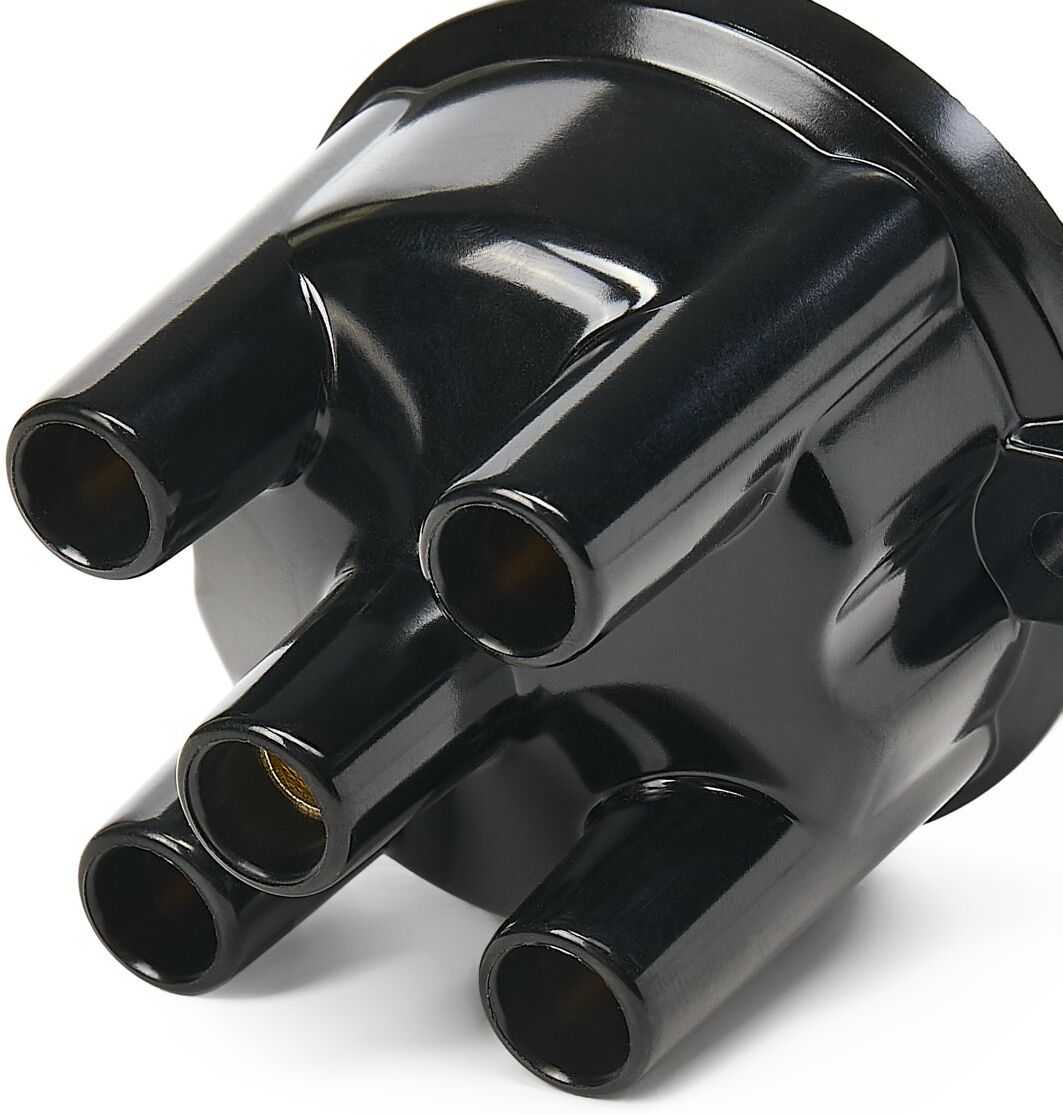
BERU VESO116 Plug, distributorConstruction Year from: 08/1984; Required quantity: 1, 5; Construction Year to: 07/1995; TecDoc Engine Number: 4973, 4198, 4197, 15496, 4096, 4068, 4897, 4890, 21344; Vehicle Identification Number (VIN) from: -E-150 001, 53-E-046 0015,29 £*Shipping: 8,45 £Secure redirect to the provider


-
With which pronouns do many people confuse reflexive pronouns?
Many people confuse reflexive pronouns with personal pronouns. For example, they may use "myself" or "yourself" instead of "me" or "you" in a sentence. This confusion often occurs when people are trying to emphasize the subject of the sentence, but they mistakenly use a reflexive pronoun instead of a personal pronoun. It's important to understand the difference between reflexive and personal pronouns in order to use them correctly in sentences. **
-
What are pronouns?
Pronouns are words that are used in place of nouns to avoid repetition in a sentence. They can refer to people, places, things, or ideas. Pronouns help make sentences clearer and more concise by replacing specific nouns with general words like "he," "she," "it," "they," and "we." Using pronouns also helps to maintain the flow of writing and make it more engaging for the reader. **
-
Which pronouns do many people often confuse with reflexive pronouns?
Many people often confuse reflexive pronouns with intensive pronouns. Intensive pronouns are used to emphasize a preceding noun or pronoun, while reflexive pronouns are used when the subject and object of a sentence are the same. For example, "I myself will do it" uses an intensive pronoun, while "I hurt myself" uses a reflexive pronoun. It is important to understand the distinction between these two types of pronouns to use them correctly in sentences. **
-
What is the difference between personal pronouns and reflexive pronouns?
Personal pronouns are used to refer to people or things, such as "I," "you," "he," "she," "it," "we," and "they." Reflexive pronouns, on the other hand, are used when the subject and object of a sentence are the same person or thing, such as "myself," "yourself," "himself," "herself," "itself," "ourselves," and "themselves." Reflexive pronouns are used to reflect the action back onto the subject, while personal pronouns simply refer to the subject or object. **

What is the difference between reflexive pronouns and personal pronouns?
Reflexive pronouns are used when the subject and the object of a sentence are the same, indicating that the action is being performed by the subject on itself. For example, "I hurt myself." In this sentence, "myself" is a reflexive pronoun. Personal pronouns, on the other hand, are used to refer to people or things and can be the subject or object of a sentence. For example, "She loves him." In this sentence, "she" and "him" are personal pronouns. **
Can you help me with personal pronouns and possessive pronouns?
Certainly! Personal pronouns are used to replace nouns in a sentence, such as "I", "you", "he", "she", "it", "we", and "they". Possessive pronouns show ownership or possession, such as "mine", "yours", "his", "hers", "ours", and "theirs". If you need help understanding how to use these pronouns in a sentence or identifying which pronoun to use in a specific context, feel free to ask for more guidance. **
Top-Angebote
Products related to Pronouns:
-
Uplift Essentials Bulk 10 Piece Wholesale Adjustable Cat & Kitten Collars With Bells Bulk 10 Piece Wholesale Adjustable Cat & Kitten Collars With BellsStock up on premium everyday pet essentials or add a vibrant pop of color to your pet's wardrobe with our Bulk 10Piece Wholesale Adjustable Cat & Kitten Collars with Bells. This multipack set is specifically woven from heavyduty, highdensity nylon...34,97 $*Shipping: 0,00 $Secure redirect to the provider
-
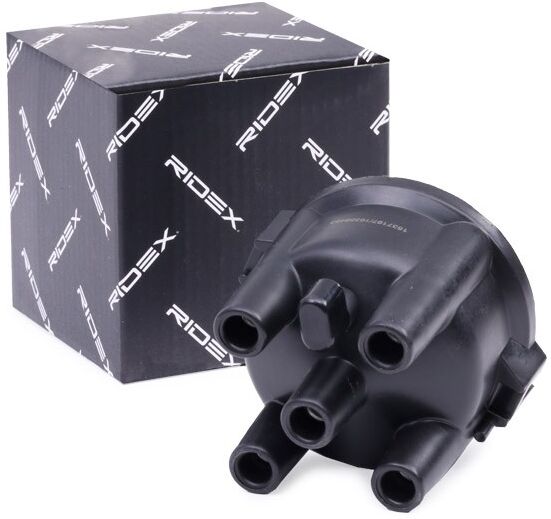
RIDEX 692D0018 Distributor CapNumber of Cylinders: 4; Manufacturer Restriction: SYSTEM DUCELLIER; Engine Code: C2J 720, C1J/715, C2J/717,718,767,794, C1J/760, 847 722, A2M 723, M23-623, 131 A1.000, C1G 710, J7T 772, J5R 716, C3J/710, C1J770/782, C3G 700, C2J772; Ignition Distributor Number: 525 328 A, 525 100; Engine Number to: -4192, -4205, -4157, -028D, -4195; Engine Number from: S100001-7,59 £*Shipping: 8,45 £Secure redirect to the provider
-
What are demonstrative pronouns and relative pronouns?
Demonstrative pronouns are pronouns that are used to point to specific things or people. Examples of demonstrative pronouns include "this," "that," "these," and "those." Relative pronouns are pronouns that introduce dependent clauses and connect them to independent clauses. Examples of relative pronouns include "who," "whom," "whose," "which," and "that." **
-
Why are demonstrative pronouns called demonstrative pronouns?
Demonstrative pronouns are called demonstrative because they demonstrate or point to a specific noun or pronoun in a sentence. They help to indicate the position or location of the noun or pronoun in relation to the speaker or listener. By using demonstrative pronouns such as "this," "that," "these," and "those," speakers can make their communication more precise and clear by specifying which person, place, thing, or idea they are referring to. **
-
With which pronouns do many people confuse reflexive pronouns?
Many people confuse reflexive pronouns with personal pronouns. For example, they may use "myself" or "yourself" instead of "me" or "you" in a sentence. This confusion often occurs when people are trying to emphasize the subject of the sentence, but they mistakenly use a reflexive pronoun instead of a personal pronoun. It's important to understand the difference between reflexive and personal pronouns in order to use them correctly in sentences. **
-
What are pronouns?
Pronouns are words that are used in place of nouns to avoid repetition in a sentence. They can refer to people, places, things, or ideas. Pronouns help make sentences clearer and more concise by replacing specific nouns with general words like "he," "she," "it," "they," and "we." Using pronouns also helps to maintain the flow of writing and make it more engaging for the reader. **
Similar search terms for Pronouns
-
BERU VESO116 Plug, distributorConstruction Year from: 08/1984; Required quantity: 1, 5; Construction Year to: 07/1995; TecDoc Engine Number: 4973, 4198, 4197, 15496, 4096, 4068, 4897, 4890, 21344; Vehicle Identification Number (VIN) from: -E-150 001, 53-E-046 0015,29 £*Shipping: 8,45 £Secure redirect to the provider
-
RIDEX 692D0054 Distributor CapMounting Type: Latching Connection; Material: Polyester; Number of connectors: 5; Engine Code: AEX, AEE, APQ, ADX, AEA, AKV, AFH, ALM, ALL, AER, ANX; Vehicle Identification Number (VIN) from: 6K-Y-502 795; Vehicle Identification Number (VIN) to: 6K-Y-502 7945,99 £*Shipping: 8,45 £Secure redirect to the provider
-
Which pronouns do many people often confuse with reflexive pronouns?
Many people often confuse reflexive pronouns with intensive pronouns. Intensive pronouns are used to emphasize a preceding noun or pronoun, while reflexive pronouns are used when the subject and object of a sentence are the same. For example, "I myself will do it" uses an intensive pronoun, while "I hurt myself" uses a reflexive pronoun. It is important to understand the distinction between these two types of pronouns to use them correctly in sentences. **
-
What is the difference between personal pronouns and reflexive pronouns?
Personal pronouns are used to refer to people or things, such as "I," "you," "he," "she," "it," "we," and "they." Reflexive pronouns, on the other hand, are used when the subject and object of a sentence are the same person or thing, such as "myself," "yourself," "himself," "herself," "itself," "ourselves," and "themselves." Reflexive pronouns are used to reflect the action back onto the subject, while personal pronouns simply refer to the subject or object. **
-
What is the difference between reflexive pronouns and personal pronouns?
Reflexive pronouns are used when the subject and the object of a sentence are the same, indicating that the action is being performed by the subject on itself. For example, "I hurt myself." In this sentence, "myself" is a reflexive pronoun. Personal pronouns, on the other hand, are used to refer to people or things and can be the subject or object of a sentence. For example, "She loves him." In this sentence, "she" and "him" are personal pronouns. **
-
Can you help me with personal pronouns and possessive pronouns?
Certainly! Personal pronouns are used to replace nouns in a sentence, such as "I", "you", "he", "she", "it", "we", and "they". Possessive pronouns show ownership or possession, such as "mine", "yours", "his", "hers", "ours", and "theirs". If you need help understanding how to use these pronouns in a sentence or identifying which pronoun to use in a specific context, feel free to ask for more guidance. **
* All prices are inclusive of VAT and, if applicable, plus shipping costs. The offer information is based on the details provided by the respective shop and is updated through automated processes. Real-time updates do not occur, so deviations can occur in individual cases. ** Note: Parts of this content were created by AI.