Buy groothandel.eu ?
We are moving the project
groothandel.eu .
Are you interested in purchasing the domain
groothandel.eu ?
domain@kv-gmbh.de · 0541-91531010
Buy groothandel.eu ?
Is cambium the reproductive tissue?
No, cambium is not the reproductive tissue. Cambium is a type of meristematic tissue found in plants that is responsible for secondary growth, which results in the thickening of stems and roots. Reproductive tissues in plants include the flower parts responsible for sexual reproduction, such as the stamen and pistil. **
Do fish have reproductive organs?
Yes, fish do have reproductive organs. Most fish have both male and female reproductive organs, meaning they are capable of producing both eggs and sperm. However, there are some species of fish that are hermaphroditic, meaning they have both male and female reproductive organs in the same individual. The reproductive organs of fish vary in complexity and structure depending on the species. **

Similar search terms for Reproductive
Top-Angebote
Products related to Reproductive:
-
Sage Distributor 54mm DuoRefine your espresso preparation with Sage the Distributor Duo, designed to break up clumps and evenly distribute coffee grounds for a flawless tamp. Crafted from stainless steel and walnut, it brings both precision and elegance to your coffee setup, complementing any modern or classic aesthetic. Compatible with 54mm Sage portafilters, this tool features eight removable distribution pins that can be arranged either angled or straight, depending on your preference. These adjustable pins work to break up clumps in the grind, ensuring a more uniform distribution and reducing the risk of channelling during extraction. The distribution face is equipped with three angled blades that rotate smoothly in either direction, helping to level the coffee bed and create a consistent tamping surface. This design ensures that your espresso shot is balanced and full-bodied, with improved flavour clarity. Height adjustability adds another layer of control, allowing you to tailor the tool to match your dose size and the depth of grind in relation to the shower screen. Whether you're using a single or double basket, this feature ensures optimal contact and extraction. Complete with a Sage 2 year warranty. Dimensions: 11(H) x 6.3(W) x 6.3(D)cm.69,95 £*Shipping: 0,00 £Secure redirect to the provider


-
What is a reproductive barrier?
A reproductive barrier is any biological mechanism that prevents individuals from two different species from successfully interbreeding and producing viable offspring. These barriers can be prezygotic, meaning they prevent mating or fertilization from occurring, or postzygotic, meaning they prevent the development or survival of hybrid offspring. Reproductive barriers are important for maintaining species integrity and preventing the blending of different species through hybridization. **
-
Where is reproductive cloning applied?
Reproductive cloning is applied in the field of animal breeding and genetic research. It is used to create genetically identical animals for agricultural purposes, such as producing high-quality livestock or preserving endangered species. Reproductive cloning has also been used in scientific research to study the effects of genetic modifications and to develop new medical treatments. However, it is not currently used in human reproduction due to ethical and safety concerns. **
-
Do birds have reproductive organs?
Yes, birds do have reproductive organs. Both male and female birds have reproductive systems that allow them to reproduce. Male birds have testes that produce sperm, while female birds have ovaries that produce eggs. During mating, the male bird transfers sperm to the female bird, and the eggs are fertilized internally before being laid. **
-
Do budgerigars have reproductive organs?
Yes, budgerigars, also known as budgies, do have reproductive organs. Both male and female budgerigars have reproductive systems that allow them to reproduce. Male budgerigars have testes, which produce sperm, while female budgerigars have ovaries, which produce eggs. When conditions are right, budgerigars can mate and produce offspring. **


What does reproductive self-restraint mean?
Reproductive self-restraint refers to the conscious decision and ability to control one's reproductive choices and behaviors. It involves making informed decisions about when and how many children to have, taking into consideration factors such as personal circumstances, resources, and the well-being of existing family members. Practicing reproductive self-restraint can help individuals and couples plan their families responsibly, ensuring they can provide for the needs of their children and maintain a good quality of life. **
Is the cambium the reproductive tissue?
No, the cambium is not the reproductive tissue of a plant. The cambium is a layer of actively dividing cells located between the xylem and phloem in the stem and roots of a plant. Its main function is to produce new cells for secondary growth, which leads to the thickening of the plant. Reproductive tissues in plants are typically found in the flowers, where structures like the stamen and pistil are responsible for the production of seeds. **
Top-Angebote
Products related to Reproductive:
-
Uplift Essentials Bulk 10 Piece Wholesale Adjustable Cat & Kitten Collars With Bells Bulk 10 Piece Wholesale Adjustable Cat & Kitten Collars With BellsStock up on premium everyday pet essentials or add a vibrant pop of color to your pet's wardrobe with our Bulk 10Piece Wholesale Adjustable Cat & Kitten Collars with Bells. This multipack set is specifically woven from heavyduty, highdensity nylon...34,97 $*Shipping: 0,00 $Secure redirect to the provider
-
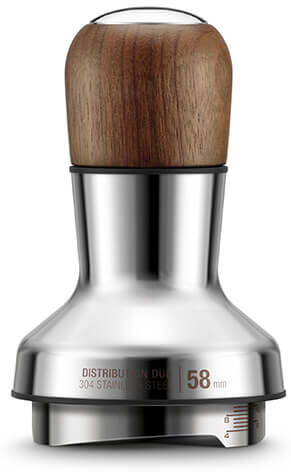
Sage Distributor 58mm DuoRefine your espresso preparation with Sage the Distributor Duo, designed to break up clumps and evenly distribute coffee grounds for a flawless tamp. Crafted from stainless steel and walnut, it brings both precision and elegance to your coffee setup, complementing any modern or classic aesthetic. Compatible with 58mm Sage portafilters, this tool features eight removable distribution pins that can be arranged either angled or straight, depending on your preference. These adjustable pins work to break up clumps in the grind, ensuring a more uniform distribution and reducing the risk of channelling during extraction. The distribution face is equipped with three angled blades that rotate smoothly in either direction, helping to level the coffee bed and create a consistent tamping surface. This design ensures that your espresso shot is balanced and full-bodied, with improved flavour clarity. Height adjustability adds another layer of control, allowing you to tailor the tool to match your dose size and the depth of grind in relation to the shower screen. Whether you're using a single or double basket, this feature ensures optimal contact and extraction. Complete with a Sage 2 year warranty. Dimensions: 11(H) x 6.7(W) x 6.7(D)cm.79,95 £*Shipping: 0,00 £Secure redirect to the provider
-
Sage Distributor 54mm DuoRefine your espresso preparation with Sage the Distributor Duo, designed to break up clumps and evenly distribute coffee grounds for a flawless tamp. Crafted from stainless steel and walnut, it brings both precision and elegance to your coffee setup, complementing any modern or classic aesthetic. Compatible with 54mm Sage portafilters, this tool features eight removable distribution pins that can be arranged either angled or straight, depending on your preference. These adjustable pins work to break up clumps in the grind, ensuring a more uniform distribution and reducing the risk of channelling during extraction. The distribution face is equipped with three angled blades that rotate smoothly in either direction, helping to level the coffee bed and create a consistent tamping surface. This design ensures that your espresso shot is balanced and full-bodied, with improved flavour clarity. Height adjustability adds another layer of control, allowing you to tailor the tool to match your dose size and the depth of grind in relation to the shower screen. Whether you're using a single or double basket, this feature ensures optimal contact and extraction. Complete with a Sage 2 year warranty. Dimensions: 11(H) x 6.3(W) x 6.3(D)cm.69,95 £*Shipping: 0,00 £Secure redirect to the provider
-
Is cambium the reproductive tissue?
No, cambium is not the reproductive tissue. Cambium is a type of meristematic tissue found in plants that is responsible for secondary growth, which results in the thickening of stems and roots. Reproductive tissues in plants include the flower parts responsible for sexual reproduction, such as the stamen and pistil. **
-
Do fish have reproductive organs?
Yes, fish do have reproductive organs. Most fish have both male and female reproductive organs, meaning they are capable of producing both eggs and sperm. However, there are some species of fish that are hermaphroditic, meaning they have both male and female reproductive organs in the same individual. The reproductive organs of fish vary in complexity and structure depending on the species. **
-
What is a reproductive barrier?
A reproductive barrier is any biological mechanism that prevents individuals from two different species from successfully interbreeding and producing viable offspring. These barriers can be prezygotic, meaning they prevent mating or fertilization from occurring, or postzygotic, meaning they prevent the development or survival of hybrid offspring. Reproductive barriers are important for maintaining species integrity and preventing the blending of different species through hybridization. **
-
Where is reproductive cloning applied?
Reproductive cloning is applied in the field of animal breeding and genetic research. It is used to create genetically identical animals for agricultural purposes, such as producing high-quality livestock or preserving endangered species. Reproductive cloning has also been used in scientific research to study the effects of genetic modifications and to develop new medical treatments. However, it is not currently used in human reproduction due to ethical and safety concerns. **
Similar search terms for Reproductive
-
Do birds have reproductive organs?
Yes, birds do have reproductive organs. Both male and female birds have reproductive systems that allow them to reproduce. Male birds have testes that produce sperm, while female birds have ovaries that produce eggs. During mating, the male bird transfers sperm to the female bird, and the eggs are fertilized internally before being laid. **
-
Do budgerigars have reproductive organs?
Yes, budgerigars, also known as budgies, do have reproductive organs. Both male and female budgerigars have reproductive systems that allow them to reproduce. Male budgerigars have testes, which produce sperm, while female budgerigars have ovaries, which produce eggs. When conditions are right, budgerigars can mate and produce offspring. **
-
What does reproductive self-restraint mean?
Reproductive self-restraint refers to the conscious decision and ability to control one's reproductive choices and behaviors. It involves making informed decisions about when and how many children to have, taking into consideration factors such as personal circumstances, resources, and the well-being of existing family members. Practicing reproductive self-restraint can help individuals and couples plan their families responsibly, ensuring they can provide for the needs of their children and maintain a good quality of life. **
-
Is the cambium the reproductive tissue?
No, the cambium is not the reproductive tissue of a plant. The cambium is a layer of actively dividing cells located between the xylem and phloem in the stem and roots of a plant. Its main function is to produce new cells for secondary growth, which leads to the thickening of the plant. Reproductive tissues in plants are typically found in the flowers, where structures like the stamen and pistil are responsible for the production of seeds. **
* All prices are inclusive of VAT and, if applicable, plus shipping costs. The offer information is based on the details provided by the respective shop and is updated through automated processes. Real-time updates do not occur, so deviations can occur in individual cases. ** Note: Parts of this content were created by AI.