Buy groothandel.eu ?
We are moving the project
groothandel.eu .
Are you interested in purchasing the domain
groothandel.eu ?
domain@kv-gmbh.de · 0541-91531010
Buy groothandel.eu ?
What are reactants and products?
Reactants are the starting materials in a chemical reaction that undergo a change to form new substances called products. Reactants are consumed during the reaction, while products are the end result of the reaction. The reactants are typically written on the left side of a chemical equation, while the products are written on the right side. **
What are limiting reactants in chemistry?
Limiting reactants, also known as limiting reagents, are the reactants in a chemical reaction that are completely consumed, thus limiting the amount of product that can be formed. In other words, they determine the maximum amount of product that can be produced in a reaction. The concept of limiting reactants is important in stoichiometry, as it helps to determine the theoretical yield of a reaction and identify the excess reactant that will be left over after the reaction is complete. **

Similar search terms for Reactants
Top-Angebote
Products related to Reactants:
-
Sage Distributor 54mm DuoRefine your espresso preparation with Sage the Distributor Duo, designed to break up clumps and evenly distribute coffee grounds for a flawless tamp. Crafted from stainless steel and walnut, it brings both precision and elegance to your coffee setup, complementing any modern or classic aesthetic. Compatible with 54mm Sage portafilters, this tool features eight removable distribution pins that can be arranged either angled or straight, depending on your preference. These adjustable pins work to break up clumps in the grind, ensuring a more uniform distribution and reducing the risk of channelling during extraction. The distribution face is equipped with three angled blades that rotate smoothly in either direction, helping to level the coffee bed and create a consistent tamping surface. This design ensures that your espresso shot is balanced and full-bodied, with improved flavour clarity. Height adjustability adds another layer of control, allowing you to tailor the tool to match your dose size and the depth of grind in relation to the shower screen. Whether you're using a single or double basket, this feature ensures optimal contact and extraction. Complete with a Sage 2 year warranty. Dimensions: 11(H) x 6.3(W) x 6.3(D)cm.69,95 £*Shipping: 0,00 £Secure redirect to the provider
-
Global Crafts Global Kitchen Fair Trade Gift SetThis socially-responsible kitchen gift box is designed for the family chef! Featuring handmade, Fair Trade goods from Kenya & Nepal, this gift box comes beautifully packaged with handmade items from around the world.96,99 $*Shipping: 0,00 $Secure redirect to the provider
-
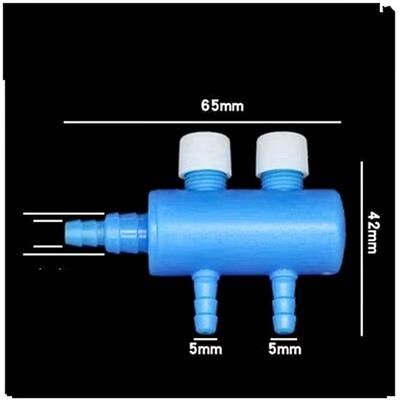
Inspired Finds Aquarium Air Flow Control Valve Splitter Precision Oxygen Distributor For Fish Tanks & Pumps 2 WayBring balance and vitality to your aquatic world with the Aquarium Air Flow Control Valve Splitter, the ultimate solution for managing air distribution in your fish tank. Designed for aquarium enthusiasts who value precision and performance, this...34,99 $*Shipping: 0,00 $Secure redirect to the provider



-
How do you calculate reactants in chemistry?
To calculate reactants in chemistry, you first need to write a balanced chemical equation for the reaction. Then, determine the molar ratio between the reactants and the product in the balanced equation. Next, calculate the number of moles of the known reactant using its given mass or volume and its molar mass. Finally, use the molar ratio to calculate the number of moles of the other reactant needed for the reaction. **
-
Are only reactants given in redox reactions?
No, redox reactions involve both reactants and products. In a redox reaction, one substance undergoes oxidation (loses electrons) while another undergoes reduction (gains electrons). Therefore, both the reactants and products are involved in the redox process. The reactants are the starting materials that undergo the redox reaction, while the products are the resulting substances after the redox reaction has occurred. **
-
How do you calculate the reactants in chemistry?
To calculate the reactants in a chemical reaction, you first need to write out the balanced chemical equation for the reaction. Then, you can use stoichiometry to calculate the amount of reactants needed based on the desired amount of product. This involves using the coefficients in the balanced equation to set up conversion factors and then using these conversion factors to calculate the amount of reactants required. Finally, you can use the molar mass of the reactants to convert between mass and moles if necessary. **
-
What are the products and what are the reactants?
In a chemical reaction, the reactants are the substances that undergo a chemical change to form new substances called products. Reactants are the starting materials that are transformed into products during the reaction. The products are the end result of the chemical reaction, formed from the rearrangement of atoms in the reactants. The reactants are consumed during the reaction, while the products are the new substances that are produced. **

How do you calculate the required amount of reactants?
To calculate the required amount of reactants, you first need to determine the balanced chemical equation for the reaction. Then, you can use stoichiometry to convert the given amount of one reactant to the amount of the other reactant needed for the reaction. This involves using the molar ratios from the balanced equation to convert between moles of the given reactant and moles of the required reactant. Finally, you can use the molar mass of the required reactant to convert from moles to the required amount in grams or other units as needed. **
How do I know which reactants are Delta H?
In a chemical reaction, the reactants that are involved in a change in enthalpy (ΔH) are typically those that are being broken or formed. This means that the reactants that are being broken apart or formed into new compounds are the ones that contribute to the overall change in enthalpy of the reaction. To identify these reactants, you can look at the chemical equation for the reaction and identify the bonds that are being broken or formed. These are the reactants that will have a ΔH associated with them. **
Top-Angebote
Products related to Reactants:
-
Uplift Essentials Bulk 10 Piece Wholesale Adjustable Cat & Kitten Collars With Bells Bulk 10 Piece Wholesale Adjustable Cat & Kitten Collars With BellsStock up on premium everyday pet essentials or add a vibrant pop of color to your pet's wardrobe with our Bulk 10Piece Wholesale Adjustable Cat & Kitten Collars with Bells. This multipack set is specifically woven from heavyduty, highdensity nylon...34,97 $*Shipping: 0,00 $Secure redirect to the provider
-
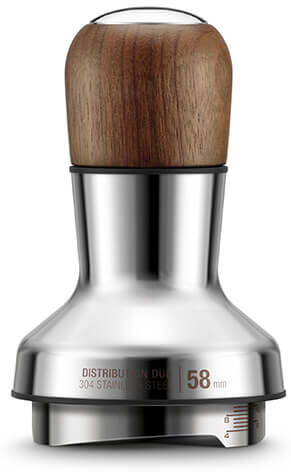
Sage Distributor 58mm DuoRefine your espresso preparation with Sage the Distributor Duo, designed to break up clumps and evenly distribute coffee grounds for a flawless tamp. Crafted from stainless steel and walnut, it brings both precision and elegance to your coffee setup, complementing any modern or classic aesthetic. Compatible with 58mm Sage portafilters, this tool features eight removable distribution pins that can be arranged either angled or straight, depending on your preference. These adjustable pins work to break up clumps in the grind, ensuring a more uniform distribution and reducing the risk of channelling during extraction. The distribution face is equipped with three angled blades that rotate smoothly in either direction, helping to level the coffee bed and create a consistent tamping surface. This design ensures that your espresso shot is balanced and full-bodied, with improved flavour clarity. Height adjustability adds another layer of control, allowing you to tailor the tool to match your dose size and the depth of grind in relation to the shower screen. Whether you're using a single or double basket, this feature ensures optimal contact and extraction. Complete with a Sage 2 year warranty. Dimensions: 11(H) x 6.7(W) x 6.7(D)cm.79,95 £*Shipping: 0,00 £Secure redirect to the provider
-
Sage Distributor 54mm DuoRefine your espresso preparation with Sage the Distributor Duo, designed to break up clumps and evenly distribute coffee grounds for a flawless tamp. Crafted from stainless steel and walnut, it brings both precision and elegance to your coffee setup, complementing any modern or classic aesthetic. Compatible with 54mm Sage portafilters, this tool features eight removable distribution pins that can be arranged either angled or straight, depending on your preference. These adjustable pins work to break up clumps in the grind, ensuring a more uniform distribution and reducing the risk of channelling during extraction. The distribution face is equipped with three angled blades that rotate smoothly in either direction, helping to level the coffee bed and create a consistent tamping surface. This design ensures that your espresso shot is balanced and full-bodied, with improved flavour clarity. Height adjustability adds another layer of control, allowing you to tailor the tool to match your dose size and the depth of grind in relation to the shower screen. Whether you're using a single or double basket, this feature ensures optimal contact and extraction. Complete with a Sage 2 year warranty. Dimensions: 11(H) x 6.3(W) x 6.3(D)cm.69,95 £*Shipping: 0,00 £Secure redirect to the provider
-
What are reactants and products?
Reactants are the starting materials in a chemical reaction that undergo a change to form new substances called products. Reactants are consumed during the reaction, while products are the end result of the reaction. The reactants are typically written on the left side of a chemical equation, while the products are written on the right side. **
-
What are limiting reactants in chemistry?
Limiting reactants, also known as limiting reagents, are the reactants in a chemical reaction that are completely consumed, thus limiting the amount of product that can be formed. In other words, they determine the maximum amount of product that can be produced in a reaction. The concept of limiting reactants is important in stoichiometry, as it helps to determine the theoretical yield of a reaction and identify the excess reactant that will be left over after the reaction is complete. **
-
How do you calculate reactants in chemistry?
To calculate reactants in chemistry, you first need to write a balanced chemical equation for the reaction. Then, determine the molar ratio between the reactants and the product in the balanced equation. Next, calculate the number of moles of the known reactant using its given mass or volume and its molar mass. Finally, use the molar ratio to calculate the number of moles of the other reactant needed for the reaction. **
-
Are only reactants given in redox reactions?
No, redox reactions involve both reactants and products. In a redox reaction, one substance undergoes oxidation (loses electrons) while another undergoes reduction (gains electrons). Therefore, both the reactants and products are involved in the redox process. The reactants are the starting materials that undergo the redox reaction, while the products are the resulting substances after the redox reaction has occurred. **
Similar search terms for Reactants
-
Global Crafts Global Kitchen Fair Trade Gift SetThis socially-responsible kitchen gift box is designed for the family chef! Featuring handmade, Fair Trade goods from Kenya & Nepal, this gift box comes beautifully packaged with handmade items from around the world.96,99 $*Shipping: 0,00 $Secure redirect to the provider
-
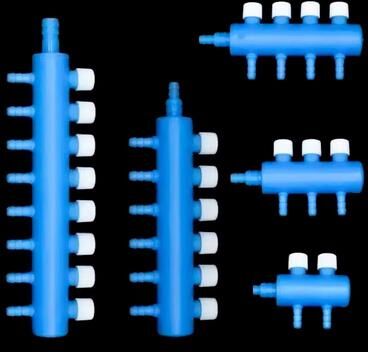
Inspired Finds Aquarium Air Flow Control Valve Splitter Precision Oxygen Distributor For Fish Tanks & Pumps 2 WayBring balance and vitality to your aquatic world with the Aquarium Air Flow Control Valve Splitter, the ultimate solution for managing air distribution in your fish tank. Designed for aquarium enthusiasts who value precision and performance, this...34,99 $*Shipping: 0,00 $Secure redirect to the provider
-
Inspired Finds Aquarium Air Flow Control Valve Splitter Precision Oxygen Distributor For Fish Tanks & Pumps 4 WayBring balance and vitality to your aquatic world with the Aquarium Air Flow Control Valve Splitter, the ultimate solution for managing air distribution in your fish tank. Designed for aquarium enthusiasts who value precision and performance, this...34,99 $*Shipping: 0,00 $Secure redirect to the provider
-
Inspired Finds Aquarium Air Flow Control Valve Splitter Precision Oxygen Distributor For Fish Tanks & Pumps 6 WayBring balance and vitality to your aquatic world with the Aquarium Air Flow Control Valve Splitter, the ultimate solution for managing air distribution in your fish tank. Designed for aquarium enthusiasts who value precision and performance, this...34,99 $*Shipping: 0,00 $Secure redirect to the provider
-
How do you calculate the reactants in chemistry?
To calculate the reactants in a chemical reaction, you first need to write out the balanced chemical equation for the reaction. Then, you can use stoichiometry to calculate the amount of reactants needed based on the desired amount of product. This involves using the coefficients in the balanced equation to set up conversion factors and then using these conversion factors to calculate the amount of reactants required. Finally, you can use the molar mass of the reactants to convert between mass and moles if necessary. **
-
What are the products and what are the reactants?
In a chemical reaction, the reactants are the substances that undergo a chemical change to form new substances called products. Reactants are the starting materials that are transformed into products during the reaction. The products are the end result of the chemical reaction, formed from the rearrangement of atoms in the reactants. The reactants are consumed during the reaction, while the products are the new substances that are produced. **
-
How do you calculate the required amount of reactants?
To calculate the required amount of reactants, you first need to determine the balanced chemical equation for the reaction. Then, you can use stoichiometry to convert the given amount of one reactant to the amount of the other reactant needed for the reaction. This involves using the molar ratios from the balanced equation to convert between moles of the given reactant and moles of the required reactant. Finally, you can use the molar mass of the required reactant to convert from moles to the required amount in grams or other units as needed. **
-
How do I know which reactants are Delta H?
In a chemical reaction, the reactants that are involved in a change in enthalpy (ΔH) are typically those that are being broken or formed. This means that the reactants that are being broken apart or formed into new compounds are the ones that contribute to the overall change in enthalpy of the reaction. To identify these reactants, you can look at the chemical equation for the reaction and identify the bonds that are being broken or formed. These are the reactants that will have a ΔH associated with them. **
* All prices are inclusive of VAT and, if applicable, plus shipping costs. The offer information is based on the details provided by the respective shop and is updated through automated processes. Real-time updates do not occur, so deviations can occur in individual cases. ** Note: Parts of this content were created by AI.