Buy groothandel.eu ?
We are moving the project
groothandel.eu .
Are you interested in purchasing the domain
groothandel.eu ?
domain@kv-gmbh.de · 0541-91531010
Buy groothandel.eu ?
How does grafting work?
Grafting is a horticultural technique where tissues from one plant are joined with another plant in such a way that they grow together as one. This is typically done by cutting a small piece of stem or bud from one plant, called the scion, and attaching it onto another plant, called the rootstock. The two plants are then bound together until they heal and the tissues fuse, allowing for the scion to receive nutrients and water from the rootstock. This allows for the desired characteristics of the scion, such as specific fruit or flower traits, to be expressed while benefiting from the root system of the rootstock. **
Why is grafting done?
Grafting is done for several reasons, including: 1. To propagate plants that are difficult to grow from seeds or cuttings. 2. To combine the desirable traits of two different plants, such as disease resistance, fruit quality, or growth habit. 3. To repair damaged or diseased plants by replacing the damaged portion with a healthy one. 4. To increase the productivity or longevity of a plant. 5. To create ornamental plants with unique characteristics or features. **


Similar search terms for Grafting
Top-Angebote
Products related to Grafting:
-
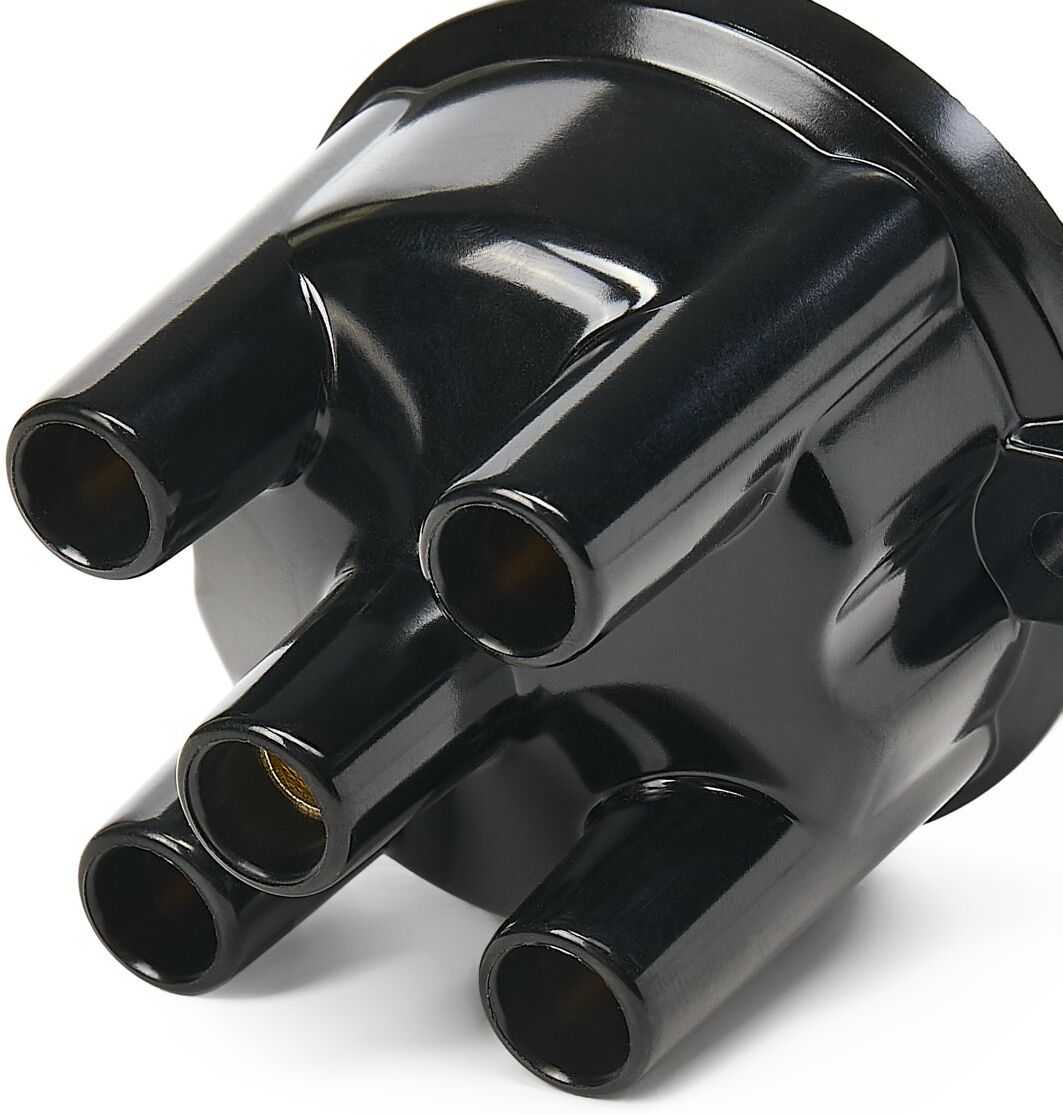
BERU VESO116 Plug, distributorConstruction Year from: 08/1984; Required quantity: 1, 5; Construction Year to: 07/1995; TecDoc Engine Number: 4973, 4198, 4197, 15496, 4096, 4068, 4897, 4890, 21344; Vehicle Identification Number (VIN) from: -E-150 001, 53-E-046 0015,99 £*Shipping: 8,45 £Secure redirect to the provider


-
Is tree grafting necessary?
Tree grafting is not always necessary, but it can be a useful technique for propagating certain types of trees, repairing damaged trees, or creating specific characteristics in fruit trees. Grafting allows for the combination of desirable traits from different trees, such as disease resistance or fruit quality. However, many trees can also be successfully grown from seeds or cuttings without the need for grafting. Ultimately, the decision to graft a tree depends on the specific goals of the grower and the characteristics of the tree in question. **
-
What is a grafting site?
A grafting site is the location on a plant where a graft is performed. It is where a piece of one plant (the scion) is attached to another plant (the rootstock) in order to combine the desirable traits of both plants. **
-
What is grafting in agriculture?
Grafting in agriculture is a technique where tissues from one plant are inserted into another plant in such a way that they grow together and eventually become one plant. This process is commonly used to combine the desirable traits of two different plants, such as disease resistance or improved fruit quality. Grafting is a common practice in fruit tree cultivation, allowing farmers to produce trees that bear multiple varieties of fruit on the same tree. **
-
Can cherry trees be grown without grafting?
Yes, cherry trees can be grown without grafting. They can be grown from seeds, which will produce a tree with characteristics similar to the parent tree. However, growing cherry trees from seeds can result in variability in fruit quality and characteristics. Grafting is often used to ensure that the desired characteristics of the parent tree are passed on to the new tree. **

How is the grafting of pear trees done?
Grafting of pear trees is typically done in late winter or early spring when the trees are dormant. The process involves selecting a healthy, disease-free rootstock and a scion (a small piece of the desired pear variety). The rootstock is cut at an angle and the scion is also cut at a matching angle. The two pieces are then joined together and secured with grafting tape or a similar material. The grafted tree is then cared for and allowed to heal, eventually producing the desired variety of pears. **
How does grafting with two different plants work?
Grafting with two different plants involves joining the tissues of two separate plants so that they grow as one. The process typically involves cutting a stem or bud from one plant (the scion) and attaching it to the root system of another plant (the rootstock). The two plants must be closely related for successful grafting, and the tissues must be able to fuse together. Once grafted, the scion will grow and produce the desired fruit or flowers, while the rootstock provides the necessary nutrients and support. This technique is commonly used in horticulture to propagate plants with desirable traits. **
Top-Angebote
Products related to Grafting:
-
Duracell Industrial AAA Batteries Box of 100 Bulk Pack Professional Trade Alkaline MN2400Duracell Industrial batteries are now called Procell. Here we sell Duracell Industrial AAA Batteries in large quantities; these professional trade alkaline batteries are available in boxes of 100 (10 x boxes of 10). Duracell Industrial AAA batteries, formerly known as Procell batteries, offer the same dependable, long lasting power as their predecessors. Duracell Industrial AAA batteries are packed and designed for wholesale and professional trade customers. If you are using large quantities of batteries then this box of 100 is ideal for you. The AAA size battery is also known as MN2400 PC2400 LR03 ID2400. All our prices already include vat. All our Duracell Industrial AAA batteries are brand new stock ensuring you get the freshest stock possible. Buy with confidence from a long established professional company with years of experience. Official Duracell Industrial Distributors Brand New Fresh Stock Guaranteed 100% Availability Fast Secure Delivery Established 1990 Duracell Industrial AAA Battery Technical Specifications: Nominal Voltage : 1.5V Operating Voltage : 1.6V - 0.75V Impedance : 250 m-ohm @ 1 kHz Maximum Height : 44.5mm Maximum Diameter : 10.5mm Typical Weight : 11g Typical Volume : 3.5cm³ System : Alkaline Manganese Dioxide Storage Temperature : 5°C to 30°C Operating Temperature : -20°C to 54°C IEC Code : LR0326,99 £*Shipping: 3,48 £Secure redirect to the provider
-
Uplift Essentials Bulk 10 Piece Wholesale Adjustable Cat & Kitten Collars With Bells Bulk 10 Piece Wholesale Adjustable Cat & Kitten Collars With BellsStock up on premium everyday pet essentials or add a vibrant pop of color to your pet's wardrobe with our Bulk 10Piece Wholesale Adjustable Cat & Kitten Collars with Bells. This multipack set is specifically woven from heavyduty, highdensity nylon...34,97 $*Shipping: 0,00 $Secure redirect to the provider
-
BERU VESO116 Plug, distributorConstruction Year from: 08/1984; Required quantity: 1, 5; Construction Year to: 07/1995; TecDoc Engine Number: 4973, 4198, 4197, 15496, 4096, 4068, 4897, 4890, 21344; Vehicle Identification Number (VIN) from: -E-150 001, 53-E-046 0015,99 £*Shipping: 8,45 £Secure redirect to the provider
-
How does grafting work?
Grafting is a horticultural technique where tissues from one plant are joined with another plant in such a way that they grow together as one. This is typically done by cutting a small piece of stem or bud from one plant, called the scion, and attaching it onto another plant, called the rootstock. The two plants are then bound together until they heal and the tissues fuse, allowing for the scion to receive nutrients and water from the rootstock. This allows for the desired characteristics of the scion, such as specific fruit or flower traits, to be expressed while benefiting from the root system of the rootstock. **
-
Why is grafting done?
Grafting is done for several reasons, including: 1. To propagate plants that are difficult to grow from seeds or cuttings. 2. To combine the desirable traits of two different plants, such as disease resistance, fruit quality, or growth habit. 3. To repair damaged or diseased plants by replacing the damaged portion with a healthy one. 4. To increase the productivity or longevity of a plant. 5. To create ornamental plants with unique characteristics or features. **
-
Is tree grafting necessary?
Tree grafting is not always necessary, but it can be a useful technique for propagating certain types of trees, repairing damaged trees, or creating specific characteristics in fruit trees. Grafting allows for the combination of desirable traits from different trees, such as disease resistance or fruit quality. However, many trees can also be successfully grown from seeds or cuttings without the need for grafting. Ultimately, the decision to graft a tree depends on the specific goals of the grower and the characteristics of the tree in question. **
-
What is a grafting site?
A grafting site is the location on a plant where a graft is performed. It is where a piece of one plant (the scion) is attached to another plant (the rootstock) in order to combine the desirable traits of both plants. **
Similar search terms for Grafting
-
RIDEX 692D0018 Distributor CapNumber of Cylinders: 4; Manufacturer Restriction: SYSTEM DUCELLIER; Engine Code: C2J 720, C1J/715, C2J/717,718,767,794, C1J/760, 847 722, A2M 723, M23-623, 131 A1.000, C1G 710, J7T 772, J5R 716, C3J/710, C1J770/782, C3G 700, C2J772; Ignition Distributor Number: 525 328 A, 525 100; Engine Number to: -4192, -4205, -4157, -028D, -4195; Engine Number from: S100001-8,29 £*Shipping: 8,45 £Secure redirect to the provider
-
What is grafting in agriculture?
Grafting in agriculture is a technique where tissues from one plant are inserted into another plant in such a way that they grow together and eventually become one plant. This process is commonly used to combine the desirable traits of two different plants, such as disease resistance or improved fruit quality. Grafting is a common practice in fruit tree cultivation, allowing farmers to produce trees that bear multiple varieties of fruit on the same tree. **
-
Can cherry trees be grown without grafting?
Yes, cherry trees can be grown without grafting. They can be grown from seeds, which will produce a tree with characteristics similar to the parent tree. However, growing cherry trees from seeds can result in variability in fruit quality and characteristics. Grafting is often used to ensure that the desired characteristics of the parent tree are passed on to the new tree. **
-
How is the grafting of pear trees done?
Grafting of pear trees is typically done in late winter or early spring when the trees are dormant. The process involves selecting a healthy, disease-free rootstock and a scion (a small piece of the desired pear variety). The rootstock is cut at an angle and the scion is also cut at a matching angle. The two pieces are then joined together and secured with grafting tape or a similar material. The grafted tree is then cared for and allowed to heal, eventually producing the desired variety of pears. **
-
How does grafting with two different plants work?
Grafting with two different plants involves joining the tissues of two separate plants so that they grow as one. The process typically involves cutting a stem or bud from one plant (the scion) and attaching it to the root system of another plant (the rootstock). The two plants must be closely related for successful grafting, and the tissues must be able to fuse together. Once grafted, the scion will grow and produce the desired fruit or flowers, while the rootstock provides the necessary nutrients and support. This technique is commonly used in horticulture to propagate plants with desirable traits. **
* All prices are inclusive of VAT and, if applicable, plus shipping costs. The offer information is based on the details provided by the respective shop and is updated through automated processes. Real-time updates do not occur, so deviations can occur in individual cases. ** Note: Parts of this content were created by AI.