Buy groothandel.eu ?
We are moving the project
groothandel.eu .
Are you interested in purchasing the domain
groothandel.eu ?
domain@kv-gmbh.de · 0541-91531010
Buy groothandel.eu ?
What was Hitler's Enabling Act?
Hitler's Enabling Act, passed in 1933, was a law that gave him the power to enact laws without the involvement of the Reichstag (German parliament). This effectively allowed Hitler to rule by decree and bypass the democratic process, consolidating his power and paving the way for the establishment of a dictatorship in Germany. The Enabling Act was a key step in the Nazi regime's efforts to eliminate political opposition and establish total control over the country. **
What does the Enabling Act mean?
The Enabling Act was a law passed by the German Reichstag in 1933 that gave Chancellor Adolf Hitler the power to enact laws without the involvement of the Reichstag or the President. This effectively allowed Hitler to establish a dictatorship and consolidate his power. The Enabling Act marked a significant turning point in German history as it paved the way for the Nazi regime to implement its totalitarian policies and suppress opposition. **

Similar search terms for Enabling
Top-Angebote
Products related to Enabling:
-
Sage Distributor 54mm DuoRefine your espresso preparation with Sage the Distributor Duo, designed to break up clumps and evenly distribute coffee grounds for a flawless tamp. Crafted from stainless steel and walnut, it brings both precision and elegance to your coffee setup, complementing any modern or classic aesthetic. Compatible with 54mm Sage portafilters, this tool features eight removable distribution pins that can be arranged either angled or straight, depending on your preference. These adjustable pins work to break up clumps in the grind, ensuring a more uniform distribution and reducing the risk of channelling during extraction. The distribution face is equipped with three angled blades that rotate smoothly in either direction, helping to level the coffee bed and create a consistent tamping surface. This design ensures that your espresso shot is balanced and full-bodied, with improved flavour clarity. Height adjustability adds another layer of control, allowing you to tailor the tool to match your dose size and the depth of grind in relation to the shower screen. Whether you're using a single or double basket, this feature ensures optimal contact and extraction. Complete with a Sage 2 year warranty. Dimensions: 11(H) x 6.3(W) x 6.3(D)cm.69,95 £*Shipping: 0,00 £Secure redirect to the provider


-
Was the Enabling Act of 1933 legal?
The Enabling Act of 1933 was a legal act passed by the German Reichstag that granted Chancellor Adolf Hitler the power to enact laws without the involvement of the Reichstag. However, the legality of the act is often debated due to the circumstances under which it was passed, including the intimidation and arrest of opposition members. Additionally, the act effectively allowed for the establishment of a dictatorship, which goes against democratic principles. While it may have been legal in the context of the German legal system at the time, it ultimately contributed to the erosion of democracy and the rise of the Nazi regime. **
-
What was the Enabling Act of 1939?
The Enabling Act of 1939 was a law passed by the German Reichstag that gave Adolf Hitler the power to enact laws without the involvement of the Reichstag or the President. This effectively allowed Hitler to rule by decree and consolidate his power as the dictator of Germany. The Enabling Act was a key step in the establishment of the Nazi dictatorship and the erosion of democratic institutions in Germany. It gave Hitler the legal authority to implement his radical agenda, including the persecution of Jews and other minority groups. **
-
How did Hitler justify the Enabling Act?
Hitler justified the Enabling Act by arguing that it was necessary to give the government the power to take swift and decisive action to address the economic and political crises facing Germany. He claimed that the Act was essential for the stability and security of the country, and that it would enable the government to effectively combat the perceived threats posed by the Communists and other political opponents. Hitler also argued that the Act was a temporary measure, and that it would ultimately lead to the restoration of a strong and unified German state. **
-
Why was the Enabling Act introduced in 1933?
The Enabling Act was introduced in 1933 in Germany in response to the economic and political crisis caused by the Great Depression. The Act was proposed by the Nazi party and it granted Chancellor Adolf Hitler the power to enact laws without the involvement of the Reichstag. This was seen as necessary to address the economic turmoil and social unrest in the country, but it also effectively consolidated power in the hands of the Nazi party and allowed them to establish a dictatorship. The Enabling Act ultimately paved the way for Hitler to implement his radical agenda and suppress opposition, leading to the establishment of a totalitarian regime in Germany. **


What is the NSDAP and the Enabling Act?
The NSDAP, or National Socialist German Workers' Party, was a far-right political party in Germany that was active from the 1920s to the end of World War II. It was led by Adolf Hitler and played a key role in the rise of Nazi Germany. The Enabling Act, passed in 1933, was a law that gave the German government the power to enact laws without the involvement of the Reichstag (parliament). This effectively allowed Hitler and the Nazi party to establish a dictatorship and consolidate their power. The Enabling Act was a significant step in the establishment of Nazi rule in Germany. **
What does the Enabling Act of 1933 state?
The Enabling Act of 1933 was a law passed by the German Reichstag that gave Chancellor Adolf Hitler the power to enact laws without the involvement of the Reichstag or the President. This effectively allowed Hitler to establish a dictatorship and consolidate his power. The act also allowed for the suspension of civil liberties and the suppression of political opposition, paving the way for the establishment of the Nazi regime in Germany. **
Top-Angebote
Products related to Enabling:
-
Uplift Essentials Bulk 10 Piece Wholesale Adjustable Cat & Kitten Collars With Bells Bulk 10 Piece Wholesale Adjustable Cat & Kitten Collars With BellsStock up on premium everyday pet essentials or add a vibrant pop of color to your pet's wardrobe with our Bulk 10Piece Wholesale Adjustable Cat & Kitten Collars with Bells. This multipack set is specifically woven from heavyduty, highdensity nylon...34,97 $*Shipping: 0,00 $Secure redirect to the provider
-
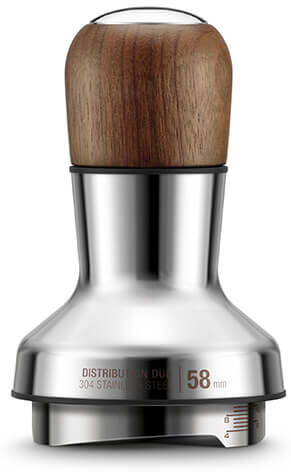
Sage Distributor 58mm DuoRefine your espresso preparation with Sage the Distributor Duo, designed to break up clumps and evenly distribute coffee grounds for a flawless tamp. Crafted from stainless steel and walnut, it brings both precision and elegance to your coffee setup, complementing any modern or classic aesthetic. Compatible with 58mm Sage portafilters, this tool features eight removable distribution pins that can be arranged either angled or straight, depending on your preference. These adjustable pins work to break up clumps in the grind, ensuring a more uniform distribution and reducing the risk of channelling during extraction. The distribution face is equipped with three angled blades that rotate smoothly in either direction, helping to level the coffee bed and create a consistent tamping surface. This design ensures that your espresso shot is balanced and full-bodied, with improved flavour clarity. Height adjustability adds another layer of control, allowing you to tailor the tool to match your dose size and the depth of grind in relation to the shower screen. Whether you're using a single or double basket, this feature ensures optimal contact and extraction. Complete with a Sage 2 year warranty. Dimensions: 11(H) x 6.7(W) x 6.7(D)cm.79,95 £*Shipping: 0,00 £Secure redirect to the provider
-
Sage Distributor 54mm DuoRefine your espresso preparation with Sage the Distributor Duo, designed to break up clumps and evenly distribute coffee grounds for a flawless tamp. Crafted from stainless steel and walnut, it brings both precision and elegance to your coffee setup, complementing any modern or classic aesthetic. Compatible with 54mm Sage portafilters, this tool features eight removable distribution pins that can be arranged either angled or straight, depending on your preference. These adjustable pins work to break up clumps in the grind, ensuring a more uniform distribution and reducing the risk of channelling during extraction. The distribution face is equipped with three angled blades that rotate smoothly in either direction, helping to level the coffee bed and create a consistent tamping surface. This design ensures that your espresso shot is balanced and full-bodied, with improved flavour clarity. Height adjustability adds another layer of control, allowing you to tailor the tool to match your dose size and the depth of grind in relation to the shower screen. Whether you're using a single or double basket, this feature ensures optimal contact and extraction. Complete with a Sage 2 year warranty. Dimensions: 11(H) x 6.3(W) x 6.3(D)cm.69,95 £*Shipping: 0,00 £Secure redirect to the provider
-
What was Hitler's Enabling Act?
Hitler's Enabling Act, passed in 1933, was a law that gave him the power to enact laws without the involvement of the Reichstag (German parliament). This effectively allowed Hitler to rule by decree and bypass the democratic process, consolidating his power and paving the way for the establishment of a dictatorship in Germany. The Enabling Act was a key step in the Nazi regime's efforts to eliminate political opposition and establish total control over the country. **
-
What does the Enabling Act mean?
The Enabling Act was a law passed by the German Reichstag in 1933 that gave Chancellor Adolf Hitler the power to enact laws without the involvement of the Reichstag or the President. This effectively allowed Hitler to establish a dictatorship and consolidate his power. The Enabling Act marked a significant turning point in German history as it paved the way for the Nazi regime to implement its totalitarian policies and suppress opposition. **
-
Was the Enabling Act of 1933 legal?
The Enabling Act of 1933 was a legal act passed by the German Reichstag that granted Chancellor Adolf Hitler the power to enact laws without the involvement of the Reichstag. However, the legality of the act is often debated due to the circumstances under which it was passed, including the intimidation and arrest of opposition members. Additionally, the act effectively allowed for the establishment of a dictatorship, which goes against democratic principles. While it may have been legal in the context of the German legal system at the time, it ultimately contributed to the erosion of democracy and the rise of the Nazi regime. **
-
What was the Enabling Act of 1939?
The Enabling Act of 1939 was a law passed by the German Reichstag that gave Adolf Hitler the power to enact laws without the involvement of the Reichstag or the President. This effectively allowed Hitler to rule by decree and consolidate his power as the dictator of Germany. The Enabling Act was a key step in the establishment of the Nazi dictatorship and the erosion of democratic institutions in Germany. It gave Hitler the legal authority to implement his radical agenda, including the persecution of Jews and other minority groups. **
Similar search terms for Enabling
-
How did Hitler justify the Enabling Act?
Hitler justified the Enabling Act by arguing that it was necessary to give the government the power to take swift and decisive action to address the economic and political crises facing Germany. He claimed that the Act was essential for the stability and security of the country, and that it would enable the government to effectively combat the perceived threats posed by the Communists and other political opponents. Hitler also argued that the Act was a temporary measure, and that it would ultimately lead to the restoration of a strong and unified German state. **
-
Why was the Enabling Act introduced in 1933?
The Enabling Act was introduced in 1933 in Germany in response to the economic and political crisis caused by the Great Depression. The Act was proposed by the Nazi party and it granted Chancellor Adolf Hitler the power to enact laws without the involvement of the Reichstag. This was seen as necessary to address the economic turmoil and social unrest in the country, but it also effectively consolidated power in the hands of the Nazi party and allowed them to establish a dictatorship. The Enabling Act ultimately paved the way for Hitler to implement his radical agenda and suppress opposition, leading to the establishment of a totalitarian regime in Germany. **
-
What is the NSDAP and the Enabling Act?
The NSDAP, or National Socialist German Workers' Party, was a far-right political party in Germany that was active from the 1920s to the end of World War II. It was led by Adolf Hitler and played a key role in the rise of Nazi Germany. The Enabling Act, passed in 1933, was a law that gave the German government the power to enact laws without the involvement of the Reichstag (parliament). This effectively allowed Hitler and the Nazi party to establish a dictatorship and consolidate their power. The Enabling Act was a significant step in the establishment of Nazi rule in Germany. **
-
What does the Enabling Act of 1933 state?
The Enabling Act of 1933 was a law passed by the German Reichstag that gave Chancellor Adolf Hitler the power to enact laws without the involvement of the Reichstag or the President. This effectively allowed Hitler to establish a dictatorship and consolidate his power. The act also allowed for the suspension of civil liberties and the suppression of political opposition, paving the way for the establishment of the Nazi regime in Germany. **
* All prices are inclusive of VAT and, if applicable, plus shipping costs. The offer information is based on the details provided by the respective shop and is updated through automated processes. Real-time updates do not occur, so deviations can occur in individual cases. ** Note: Parts of this content were created by AI.