Buy groothandel.eu ?
We are moving the project
groothandel.eu .
Are you interested in purchasing the domain
groothandel.eu ?
domain@kv-gmbh.de · 0541-91531010
Buy groothandel.eu ?
What is the difference between ionizing and non-ionizing radiation?
Ionizing radiation has enough energy to remove tightly bound electrons from atoms, creating ions. This type of radiation includes X-rays, gamma rays, and some forms of ultraviolet radiation. Non-ionizing radiation, on the other hand, does not have enough energy to remove electrons from atoms, and includes forms of radiation such as visible light, radio waves, and microwaves. The main difference between the two is the amount of energy they carry and their ability to ionize atoms. **
Who discovered ionizing radiation?
Ionizing radiation was discovered by Wilhelm Conrad Roentgen in 1895. While experimenting with cathode rays, he noticed that a fluorescent screen in his lab would glow even when it was not directly in the path of the rays. This led him to the discovery of X-rays, which are a form of ionizing radiation. Roentgen's discovery revolutionized the field of medicine and earned him the first Nobel Prize in Physics in 1901. **

Similar search terms for Ionizing
Top-Angebote
Products related to Ionizing:
-
Sage Distributor 54mm DuoRefine your espresso preparation with Sage the Distributor Duo, designed to break up clumps and evenly distribute coffee grounds for a flawless tamp. Crafted from stainless steel and walnut, it brings both precision and elegance to your coffee setup, complementing any modern or classic aesthetic. Compatible with 54mm Sage portafilters, this tool features eight removable distribution pins that can be arranged either angled or straight, depending on your preference. These adjustable pins work to break up clumps in the grind, ensuring a more uniform distribution and reducing the risk of channelling during extraction. The distribution face is equipped with three angled blades that rotate smoothly in either direction, helping to level the coffee bed and create a consistent tamping surface. This design ensures that your espresso shot is balanced and full-bodied, with improved flavour clarity. Height adjustability adds another layer of control, allowing you to tailor the tool to match your dose size and the depth of grind in relation to the shower screen. Whether you're using a single or double basket, this feature ensures optimal contact and extraction. Complete with a Sage 2 year warranty. Dimensions: 11(H) x 6.3(W) x 6.3(D)cm.69,95 £*Shipping: 0,00 £Secure redirect to the provider


-
What professions involve working with ionizing radiation?
Professions that involve working with ionizing radiation include radiologic technologists, nuclear medicine technologists, radiation therapists, and radiologists. These professionals use ionizing radiation in various medical imaging and treatment procedures. Other professions that may involve working with ionizing radiation include nuclear engineers, physicists, and researchers in the field of nuclear energy. **
-
When and why does ionizing radiation occur?
Ionizing radiation occurs when an atom undergoes a process that causes it to lose or gain electrons, resulting in the formation of charged particles called ions. This can happen through natural processes such as radioactive decay of certain elements, or through human activities such as medical imaging and nuclear power generation. Ionizing radiation is harmful to living organisms because it can damage cells and DNA, leading to potential health risks such as cancer and genetic mutations. **
-
When do different types of ionizing radiation occur?
Different types of ionizing radiation occur in various situations. For example, alpha radiation occurs during the decay of heavy elements such as uranium or radium. Beta radiation occurs during the decay of certain unstable isotopes, while gamma radiation is emitted during nuclear reactions and radioactive decay. X-rays are produced during high-energy processes such as in medical imaging or industrial applications. Each type of ionizing radiation has its own specific source and characteristics. **
-
Does beta-plus radiation belong to ionizing radiation?
Yes, beta-plus radiation belongs to ionizing radiation. Beta-plus radiation consists of positrons, which are positively charged particles that have the ability to ionize atoms by knocking off electrons from their orbits. This process can lead to the formation of charged particles and free radicals, which can cause damage to biological tissues and DNA. Therefore, beta-plus radiation is considered a form of ionizing radiation due to its ability to ionize atoms and cause biological damage. **


What professions are there that deal with ionizing radiation?
Professions that deal with ionizing radiation include radiologic technologists, radiation therapists, nuclear medicine technologists, radiologists, medical physicists, and nuclear engineers. These professionals work in various settings such as hospitals, diagnostic imaging centers, research facilities, and nuclear power plants. They are trained to safely handle and use ionizing radiation for medical diagnosis and treatment, as well as for industrial and energy production purposes. **
What is ionizing radiation in short and concise form?
Ionizing radiation is a type of energy that has enough power to remove tightly bound electrons from atoms, creating charged particles (ions) in the process. This can cause damage to living cells and genetic material, leading to potential health risks such as cancer and radiation sickness. Sources of ionizing radiation include X-rays, gamma rays, and radioactive materials. **
Top-Angebote
Products related to Ionizing:
-
Uplift Essentials Bulk 10 Piece Wholesale Adjustable Cat & Kitten Collars With Bells Bulk 10 Piece Wholesale Adjustable Cat & Kitten Collars With BellsStock up on premium everyday pet essentials or add a vibrant pop of color to your pet's wardrobe with our Bulk 10Piece Wholesale Adjustable Cat & Kitten Collars with Bells. This multipack set is specifically woven from heavyduty, highdensity nylon...34,97 $*Shipping: 0,00 $Secure redirect to the provider
-
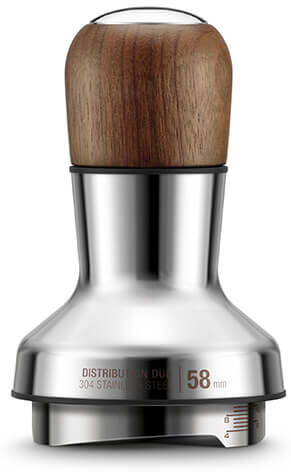
Sage Distributor 58mm DuoRefine your espresso preparation with Sage the Distributor Duo, designed to break up clumps and evenly distribute coffee grounds for a flawless tamp. Crafted from stainless steel and walnut, it brings both precision and elegance to your coffee setup, complementing any modern or classic aesthetic. Compatible with 58mm Sage portafilters, this tool features eight removable distribution pins that can be arranged either angled or straight, depending on your preference. These adjustable pins work to break up clumps in the grind, ensuring a more uniform distribution and reducing the risk of channelling during extraction. The distribution face is equipped with three angled blades that rotate smoothly in either direction, helping to level the coffee bed and create a consistent tamping surface. This design ensures that your espresso shot is balanced and full-bodied, with improved flavour clarity. Height adjustability adds another layer of control, allowing you to tailor the tool to match your dose size and the depth of grind in relation to the shower screen. Whether you're using a single or double basket, this feature ensures optimal contact and extraction. Complete with a Sage 2 year warranty. Dimensions: 11(H) x 6.7(W) x 6.7(D)cm.79,95 £*Shipping: 0,00 £Secure redirect to the provider
-
Sage Distributor 54mm DuoRefine your espresso preparation with Sage the Distributor Duo, designed to break up clumps and evenly distribute coffee grounds for a flawless tamp. Crafted from stainless steel and walnut, it brings both precision and elegance to your coffee setup, complementing any modern or classic aesthetic. Compatible with 54mm Sage portafilters, this tool features eight removable distribution pins that can be arranged either angled or straight, depending on your preference. These adjustable pins work to break up clumps in the grind, ensuring a more uniform distribution and reducing the risk of channelling during extraction. The distribution face is equipped with three angled blades that rotate smoothly in either direction, helping to level the coffee bed and create a consistent tamping surface. This design ensures that your espresso shot is balanced and full-bodied, with improved flavour clarity. Height adjustability adds another layer of control, allowing you to tailor the tool to match your dose size and the depth of grind in relation to the shower screen. Whether you're using a single or double basket, this feature ensures optimal contact and extraction. Complete with a Sage 2 year warranty. Dimensions: 11(H) x 6.3(W) x 6.3(D)cm.69,95 £*Shipping: 0,00 £Secure redirect to the provider
-
What is the difference between ionizing and non-ionizing radiation?
Ionizing radiation has enough energy to remove tightly bound electrons from atoms, creating ions. This type of radiation includes X-rays, gamma rays, and some forms of ultraviolet radiation. Non-ionizing radiation, on the other hand, does not have enough energy to remove electrons from atoms, and includes forms of radiation such as visible light, radio waves, and microwaves. The main difference between the two is the amount of energy they carry and their ability to ionize atoms. **
-
Who discovered ionizing radiation?
Ionizing radiation was discovered by Wilhelm Conrad Roentgen in 1895. While experimenting with cathode rays, he noticed that a fluorescent screen in his lab would glow even when it was not directly in the path of the rays. This led him to the discovery of X-rays, which are a form of ionizing radiation. Roentgen's discovery revolutionized the field of medicine and earned him the first Nobel Prize in Physics in 1901. **
-
What professions involve working with ionizing radiation?
Professions that involve working with ionizing radiation include radiologic technologists, nuclear medicine technologists, radiation therapists, and radiologists. These professionals use ionizing radiation in various medical imaging and treatment procedures. Other professions that may involve working with ionizing radiation include nuclear engineers, physicists, and researchers in the field of nuclear energy. **
-
When and why does ionizing radiation occur?
Ionizing radiation occurs when an atom undergoes a process that causes it to lose or gain electrons, resulting in the formation of charged particles called ions. This can happen through natural processes such as radioactive decay of certain elements, or through human activities such as medical imaging and nuclear power generation. Ionizing radiation is harmful to living organisms because it can damage cells and DNA, leading to potential health risks such as cancer and genetic mutations. **
Similar search terms for Ionizing
-
When do different types of ionizing radiation occur?
Different types of ionizing radiation occur in various situations. For example, alpha radiation occurs during the decay of heavy elements such as uranium or radium. Beta radiation occurs during the decay of certain unstable isotopes, while gamma radiation is emitted during nuclear reactions and radioactive decay. X-rays are produced during high-energy processes such as in medical imaging or industrial applications. Each type of ionizing radiation has its own specific source and characteristics. **
-
Does beta-plus radiation belong to ionizing radiation?
Yes, beta-plus radiation belongs to ionizing radiation. Beta-plus radiation consists of positrons, which are positively charged particles that have the ability to ionize atoms by knocking off electrons from their orbits. This process can lead to the formation of charged particles and free radicals, which can cause damage to biological tissues and DNA. Therefore, beta-plus radiation is considered a form of ionizing radiation due to its ability to ionize atoms and cause biological damage. **
-
What professions are there that deal with ionizing radiation?
Professions that deal with ionizing radiation include radiologic technologists, radiation therapists, nuclear medicine technologists, radiologists, medical physicists, and nuclear engineers. These professionals work in various settings such as hospitals, diagnostic imaging centers, research facilities, and nuclear power plants. They are trained to safely handle and use ionizing radiation for medical diagnosis and treatment, as well as for industrial and energy production purposes. **
-
What is ionizing radiation in short and concise form?
Ionizing radiation is a type of energy that has enough power to remove tightly bound electrons from atoms, creating charged particles (ions) in the process. This can cause damage to living cells and genetic material, leading to potential health risks such as cancer and radiation sickness. Sources of ionizing radiation include X-rays, gamma rays, and radioactive materials. **
* All prices are inclusive of VAT and, if applicable, plus shipping costs. The offer information is based on the details provided by the respective shop and is updated through automated processes. Real-time updates do not occur, so deviations can occur in individual cases. ** Note: Parts of this content were created by AI.