Buy groothandel.eu ?
We are moving the project
groothandel.eu .
Are you interested in purchasing the domain
groothandel.eu ?
domain@kv-gmbh.de · 0541-91531010
Buy groothandel.eu ?
How do dipole-dipole forces affect the boiling temperature?
Dipole-dipole forces are attractive forces between the positive end of one polar molecule and the negative end of another polar molecule. These forces cause the molecules to be attracted to each other and stick together, making it more difficult for them to break apart and become a gas. As a result, substances with stronger dipole-dipole forces will have higher boiling temperatures because more energy is required to overcome these attractive forces and turn the substance into a gas. Therefore, the presence of dipole-dipole forces can increase the boiling temperature of a substance. **
Why are hydrogen bonds stronger than dipole-dipole interactions?
Hydrogen bonds are stronger than dipole-dipole interactions because they involve a specific interaction between a hydrogen atom and a highly electronegative atom such as oxygen, nitrogen, or fluorine. This creates a strong partial positive charge on the hydrogen atom and a strong partial negative charge on the electronegative atom, leading to a strong attraction between the two. In contrast, dipole-dipole interactions occur between the partial positive and negative charges of polar molecules, which are generally weaker than the specific interaction between a hydrogen atom and a highly electronegative atom in a hydrogen bond. **


Similar search terms for Dipole
Top-Angebote
Products related to Dipole:
-
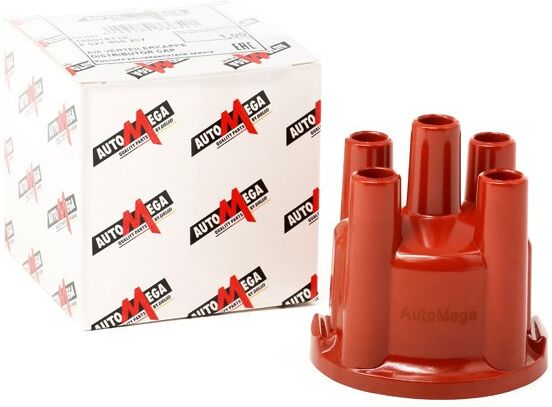
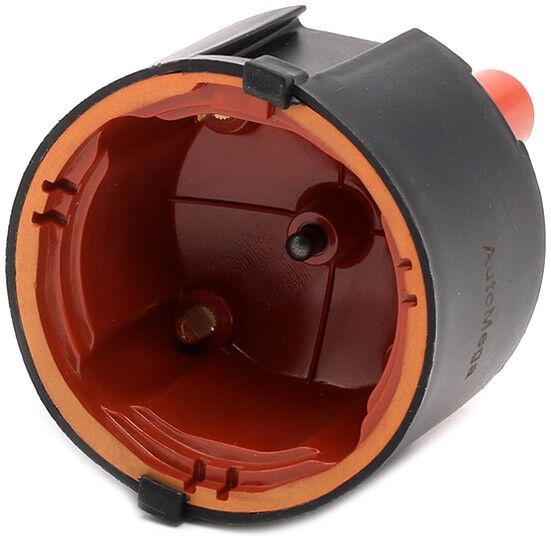
AUTOMEGA 150018110 Distributor Capfor OE number: 26905207, 27905207; TecDoc Engine Number: 4964, 4136, 4131, 4074, 4100, 4069, 9367, 5032, 4996, 5014, 5015, 4063, 4070, 4997, 5007, 5158; Vehicle Identification Number (VIN) from: 19-E-300 001, 16-E-300 001; Construction Year to: 07/1986; Engine Number from: 185001; Vehicle Identification Number (VIN) to: 1G-N-300 000, 1G-LB-100 0006,99 £*Shipping: 8,45 £Secure redirect to the provider
-
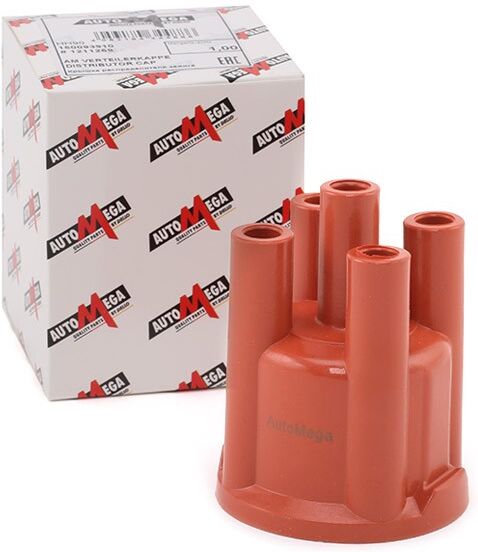
AUTOMEGA 150029610 Distributor Capfor OE number: 027905207A; Vehicle Identification Number (VIN) to: 1G-N-300 000, 32-J-299 999; Vehicle Identification Number (VIN) from: 19-E-300 001, 16-E-300 001; TecDoc Engine Number: 4069, 9367, 4974, 4074, 5022, 5032, 4996, 5014, 5015, 4997, 4100, 5007, 5027, 51587,29 £*Shipping: 8,45 £Secure redirect to the provider

-
Why do ethers have only weak dipole-dipole interactions?
Ethers have only weak dipole-dipole interactions because the oxygen atom in the ether molecule is less electronegative than the oxygen atom in alcohols or the nitrogen atom in amines. This results in a smaller difference in electronegativity between the oxygen and the carbon atoms in the ether molecule, leading to weaker dipole moments. As a result, the overall dipole-dipole interactions in ethers are weaker compared to molecules with larger electronegativity differences, such as alcohols and amines. **
-
Why is CO2 not a dipole and H2O a dipole?
CO2 is not a dipole because it has a linear molecular geometry, meaning the two oxygen atoms are symmetrically arranged around the central carbon atom, resulting in a net dipole moment of zero. On the other hand, H2O is a dipole because it has a bent molecular geometry, causing the oxygen atom to pull the shared electrons closer to itself, resulting in a net dipole moment. This uneven distribution of charge creates a positive end (the hydrogen atoms) and a negative end (the oxygen atom), making H2O a polar molecule. **
-
Is the ammonia molecule a dipole or not a dipole?
The ammonia molecule is a dipole. This is because the molecule has a trigonal pyramidal shape with a lone pair of electrons on the nitrogen atom. The electronegativity difference between nitrogen and hydrogen causes the molecule to have a net dipole moment, with the nitrogen end being partially negative and the hydrogen end being partially positive. This makes ammonia a polar molecule. **
-
What is the difference between hydrogen bonding and dipole-dipole interactions?
Hydrogen bonding is a specific type of dipole-dipole interaction that occurs between a hydrogen atom bonded to a highly electronegative atom (such as oxygen, nitrogen, or fluorine) and another electronegative atom in a different molecule. This type of interaction is stronger than regular dipole-dipole interactions because of the large electronegativity difference between the hydrogen and the other atom, resulting in a stronger attraction between the molecules. In contrast, dipole-dipole interactions occur between the positive end of one polar molecule and the negative end of another polar molecule, but do not involve a hydrogen atom bonded to a highly electronegative atom. **


What is the difference between a dipole and a non-dipole?
A dipole is a molecule that has a separation of positive and negative charges, resulting in a net dipole moment. This means that the molecule has a non-uniform distribution of electron density, leading to a partial positive and partial negative charge. On the other hand, a non-dipole molecule has a symmetrical distribution of electron density, resulting in no net dipole moment. This means that the molecule does not have a separation of positive and negative charges, and therefore does not exhibit dipole-dipole interactions. **
What is the difference between dipole-dipole forces and hydrogen bonds?
Dipole-dipole forces are attractive forces between the positive end of one polar molecule and the negative end of another polar molecule. These forces occur between any two polar molecules and are relatively weaker than hydrogen bonds. On the other hand, hydrogen bonds are a specific type of dipole-dipole force that occurs between a hydrogen atom bonded to a highly electronegative atom (such as oxygen, nitrogen, or fluorine) and a lone pair of electrons on another highly electronegative atom. This type of bond is stronger than regular dipole-dipole forces and is responsible for the unique properties of water and other molecules with hydrogen bonding. **
Top-Angebote
Products related to Dipole:
-
Duracell Industrial AAA Batteries Box of 100 Bulk Pack Professional Trade Alkaline MN2400Duracell Industrial batteries are now called Procell. Here we sell Duracell Industrial AAA Batteries in large quantities; these professional trade alkaline batteries are available in boxes of 100 (10 x boxes of 10). Duracell Industrial AAA batteries, formerly known as Procell batteries, offer the same dependable, long lasting power as their predecessors. Duracell Industrial AAA batteries are packed and designed for wholesale and professional trade customers. If you are using large quantities of batteries then this box of 100 is ideal for you. The AAA size battery is also known as MN2400 PC2400 LR03 ID2400. All our prices already include vat. All our Duracell Industrial AAA batteries are brand new stock ensuring you get the freshest stock possible. Buy with confidence from a long established professional company with years of experience. Official Duracell Industrial Distributors Brand New Fresh Stock Guaranteed 100% Availability Fast Secure Delivery Established 1990 Duracell Industrial AAA Battery Technical Specifications: Nominal Voltage : 1.5V Operating Voltage : 1.6V - 0.75V Impedance : 250 m-ohm @ 1 kHz Maximum Height : 44.5mm Maximum Diameter : 10.5mm Typical Weight : 11g Typical Volume : 3.5cm³ System : Alkaline Manganese Dioxide Storage Temperature : 5°C to 30°C Operating Temperature : -20°C to 54°C IEC Code : LR0326,99 £*Shipping: 3,48 £Secure redirect to the provider
-
Uplift Essentials Bulk 10 Piece Wholesale Adjustable Cat & Kitten Collars With Bells Bulk 10 Piece Wholesale Adjustable Cat & Kitten Collars With BellsStock up on premium everyday pet essentials or add a vibrant pop of color to your pet's wardrobe with our Bulk 10Piece Wholesale Adjustable Cat & Kitten Collars with Bells. This multipack set is specifically woven from heavyduty, highdensity nylon...34,97 $*Shipping: 0,00 $Secure redirect to the provider
-
AUTOMEGA 150018110 Distributor Capfor OE number: 26905207, 27905207; TecDoc Engine Number: 4964, 4136, 4131, 4074, 4100, 4069, 9367, 5032, 4996, 5014, 5015, 4063, 4070, 4997, 5007, 5158; Vehicle Identification Number (VIN) from: 19-E-300 001, 16-E-300 001; Construction Year to: 07/1986; Engine Number from: 185001; Vehicle Identification Number (VIN) to: 1G-N-300 000, 1G-LB-100 0006,99 £*Shipping: 8,45 £Secure redirect to the provider
-
AUTOMEGA 150029610 Distributor Capfor OE number: 027905207A; Vehicle Identification Number (VIN) to: 1G-N-300 000, 32-J-299 999; Vehicle Identification Number (VIN) from: 19-E-300 001, 16-E-300 001; TecDoc Engine Number: 4069, 9367, 4974, 4074, 5022, 5032, 4996, 5014, 5015, 4997, 4100, 5007, 5027, 51587,29 £*Shipping: 8,45 £Secure redirect to the provider
-
How do dipole-dipole forces affect the boiling temperature?
Dipole-dipole forces are attractive forces between the positive end of one polar molecule and the negative end of another polar molecule. These forces cause the molecules to be attracted to each other and stick together, making it more difficult for them to break apart and become a gas. As a result, substances with stronger dipole-dipole forces will have higher boiling temperatures because more energy is required to overcome these attractive forces and turn the substance into a gas. Therefore, the presence of dipole-dipole forces can increase the boiling temperature of a substance. **
-
Why are hydrogen bonds stronger than dipole-dipole interactions?
Hydrogen bonds are stronger than dipole-dipole interactions because they involve a specific interaction between a hydrogen atom and a highly electronegative atom such as oxygen, nitrogen, or fluorine. This creates a strong partial positive charge on the hydrogen atom and a strong partial negative charge on the electronegative atom, leading to a strong attraction between the two. In contrast, dipole-dipole interactions occur between the partial positive and negative charges of polar molecules, which are generally weaker than the specific interaction between a hydrogen atom and a highly electronegative atom in a hydrogen bond. **
-
Why do ethers have only weak dipole-dipole interactions?
Ethers have only weak dipole-dipole interactions because the oxygen atom in the ether molecule is less electronegative than the oxygen atom in alcohols or the nitrogen atom in amines. This results in a smaller difference in electronegativity between the oxygen and the carbon atoms in the ether molecule, leading to weaker dipole moments. As a result, the overall dipole-dipole interactions in ethers are weaker compared to molecules with larger electronegativity differences, such as alcohols and amines. **
-
Why is CO2 not a dipole and H2O a dipole?
CO2 is not a dipole because it has a linear molecular geometry, meaning the two oxygen atoms are symmetrically arranged around the central carbon atom, resulting in a net dipole moment of zero. On the other hand, H2O is a dipole because it has a bent molecular geometry, causing the oxygen atom to pull the shared electrons closer to itself, resulting in a net dipole moment. This uneven distribution of charge creates a positive end (the hydrogen atoms) and a negative end (the oxygen atom), making H2O a polar molecule. **
Similar search terms for Dipole
-
VALEO 249008 Distributor CapManufacturer Restriction: BOSCH; Weight [kg]: 0,19; TecDoc Engine Number: 12428, 22449, 2762, 2856, 2857, 2861, 2862, 2865, 2870, 2871, 2872, 2879, 2903, 32312, 38542, 47650, 4833, 4926, 593, 596, 607, 615, 628, 629, 6567, 9551; Construction Year from: 01/1984, 06/1988, 07/1983, 07/1984, 07/1985, 07/1988, 07/1989, 08/1984, 08/1986, 08/1987, 08/1989, 08/1990, 09/1989, 10/1989, 11/1986; Construction Year to: 01/1986, 02/1988, 03/1986, 03/1988, 05/1988, 05/1989, 05/1990, 06/1985, 06/1988, 06/1989, 06/1990, 06/1991, 06/1992, 06/1993, 07/1987, 07/1988, 07/1990, 08/1989, 08/1993, 09/1989, 10/1989, 12/1985, 12/1987, 12/1988, 12/1989, 12/1990; Vehicle Identification Number (VIN) from: 6147095; Engine Code: 171/A, E1, F1, G1,G1A, G1A, G1A,G1B, G1B, J2, TU3A,XY6D, XU51C,XU5CP, XU5CP, XU5J,XU5J2, XU5J2, XU92C, XU92C+, XU92C,XU9J1,XU92C+, XU9J1, XU9S, XU9S,XU92C+, XU9S,XU9J1, XV8, XW7, XW7,XW7B1, XW7B1, XY6, XY6,TU3A, XY6B, XY6C, XY6D, XY7, XY8, Y2/K30,49 £*Shipping: 8,45 £Secure redirect to the provider
-
VALEO 249032 Distributor CapManufacturer Restriction: MAGNETI MARELLI; Weight [kg]: 0,125; Construction Year from: 03/1986, 01/1989, 10/1989, 07/1985; TecDoc Engine Number: 11307, 4592; Construction Year to: 02/1991, 09/1992, 12/1988, 12/1994, 12/1992; Engine Code: 156A3.000, 156 A2.000, 156 A2.246, 160A3.000, 160 A3.000, 156C.00022,49 £*Shipping: 8,45 £Secure redirect to the provider
-
Is the ammonia molecule a dipole or not a dipole?
The ammonia molecule is a dipole. This is because the molecule has a trigonal pyramidal shape with a lone pair of electrons on the nitrogen atom. The electronegativity difference between nitrogen and hydrogen causes the molecule to have a net dipole moment, with the nitrogen end being partially negative and the hydrogen end being partially positive. This makes ammonia a polar molecule. **
-
What is the difference between hydrogen bonding and dipole-dipole interactions?
Hydrogen bonding is a specific type of dipole-dipole interaction that occurs between a hydrogen atom bonded to a highly electronegative atom (such as oxygen, nitrogen, or fluorine) and another electronegative atom in a different molecule. This type of interaction is stronger than regular dipole-dipole interactions because of the large electronegativity difference between the hydrogen and the other atom, resulting in a stronger attraction between the molecules. In contrast, dipole-dipole interactions occur between the positive end of one polar molecule and the negative end of another polar molecule, but do not involve a hydrogen atom bonded to a highly electronegative atom. **
-
What is the difference between a dipole and a non-dipole?
A dipole is a molecule that has a separation of positive and negative charges, resulting in a net dipole moment. This means that the molecule has a non-uniform distribution of electron density, leading to a partial positive and partial negative charge. On the other hand, a non-dipole molecule has a symmetrical distribution of electron density, resulting in no net dipole moment. This means that the molecule does not have a separation of positive and negative charges, and therefore does not exhibit dipole-dipole interactions. **
-
What is the difference between dipole-dipole forces and hydrogen bonds?
Dipole-dipole forces are attractive forces between the positive end of one polar molecule and the negative end of another polar molecule. These forces occur between any two polar molecules and are relatively weaker than hydrogen bonds. On the other hand, hydrogen bonds are a specific type of dipole-dipole force that occurs between a hydrogen atom bonded to a highly electronegative atom (such as oxygen, nitrogen, or fluorine) and a lone pair of electrons on another highly electronegative atom. This type of bond is stronger than regular dipole-dipole forces and is responsible for the unique properties of water and other molecules with hydrogen bonding. **
* All prices are inclusive of VAT and, if applicable, plus shipping costs. The offer information is based on the details provided by the respective shop and is updated through automated processes. Real-time updates do not occur, so deviations can occur in individual cases. ** Note: Parts of this content were created by AI.